The Role of Vacancies in Determining the RRB PO Cut Off 2025

5

Every year, thousands of candidates prepare for the Regional Rural Bank (RRB) Probationary Officer (PO) exam, hoping to secure a stable banking career. However, their selection depends on multiple factors, with the official cutoff score playing a crucial role in determining success. Several elements influence this cutoff, including the number of vacancies, the difficulty level of the exam, and the overall performance of aspirants.

The RRB PO cut off 2025 will be shaped significantly by the total vacancies available for the position. When the number of openings is high, the minimum qualifying marks tend to be lower. Conversely, when fewer positions are available, competition increases, making it harder for candidates to clear the required score. Understanding how job availability affects the cutoff score can help aspirants plan their preparation effectively. The following article will explore the relationship between vacancies and cutoff scores, along with other influencing factors.

How Vacancies Impact the Cutoff Score

The number of available positions directly influences the score required for selection. When there are more openings, the selection process becomes slightly less competitive, allowing candidates with moderate scores to qualify. On the other hand, limited vacancies create intense competition, leading to a higher qualifying threshold.

Authorities consider multiple factors while determining job openings, including workforce requirements, retirements, and expansions in rural banking services. If more positions need to be filled, candidates benefit from a more flexible cutoff. However, if fewer jobs are announced, aspirants must aim for higher marks to secure a position.

Exam Difficulty and Its Role in the Cutoff

Apart from the number of openings, the level of difficulty in the exam also affects the final cutoff. A challenging question paper usually results in lower average scores among candidates, which may lead to a reduced qualifying mark. Conversely, if the exam is relatively easier, aspirants tend to score higher, pushing the cutoff upward. Exams often vary in difficulty from year to year, making it essential for candidates to adapt their preparation strategies. Those aiming for a high score should practice different levels of questions to ensure they can handle varying levels of complexity.

Competition and Performance Trends

The total number of applicants also plays a key role in setting the minimum passing score. When more candidates take the test, competition increases, resulting in a higher threshold for selection. In contrast, if fewer aspirants appear for the exam, the cutoff may remain moderate.

Past performance trends also influence the qualifying score. If a significant number of candidates perform exceptionally well, the benchmark rises. However, if overall performance is lower than expected, the authorities may adjust the cutoff accordingly. Keeping track of previous years’ trends can help aspirants set realistic score targets.

Key Strategies to Clear the Cutoff

Aspirants should focus on the following strategies to increase their chances of meeting the qualifying marks:

  • Strengthen Core Subjects: Mastering quantitative aptitude, reasoning ability, and language skills is essential.
  • Practice Regularly: Solving mock tests and previous years’ papers helps improve speed and accuracy.
  • Stay Updated on Trends: Keeping track of past cutoff scores and vacancy announcements aids in strategic planning.
  • Improve Time Management: Efficiently allocating time to different sections during the exam enhances performance.
  • Focus on Accuracy: Reducing errors ensures a higher final score, increasing the chances of qualifying.

Following a structured study plan based on these techniques can help aspirants achieve their target scores efficiently. It also enhances time management and boosts confidence for the exam. Moreover, it helps in identifying strengths and areas that need improvement.

The RRB PO cut off 2025 will depend on the number of vacancies, competition level, exam difficulty, and performance trends. Candidates must stay informed about these factors and prepare strategically to improve their chances of success. Regular practice, smart time management, and consistent revision will help aspirants achieve the required score and secure a position in the banking sector.

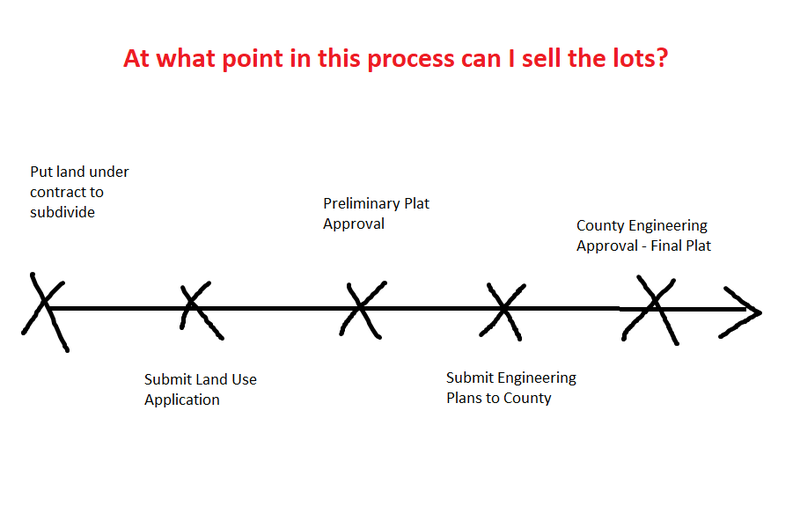
How Land Subdivision Laws Work

normal 1616946689 what point in process sell the lots

Land subdivision plays a critical role in shaping how cities grow, how housing markets evolve, and how property values are determined. Whether it’s for residential, commercial, or mixed-use development, subdividing land involves dividing a larger parcel into smaller lots, each with its own legal designation. This process is regulated by provincial and municipal planning legislation and requires approval through a defined sequence of applications, assessments, and compliance checks.

In major urban centres like Toronto, where large-scale development is common, understanding subdivision law is crucial for developers and investors alike. Projects such as Q Tower Toronto, which transform underutilized land into high-density, mixed-use developments, are only possible through meticulous adherence to subdivision regulations. These rules determine everything from lot size and frontage requirements to servicing infrastructure and access to public roads. For property owners considering development or sale, understanding the legal mechanics of subdivision is essential for project viability and compliance.

The Legal Framework for Land Subdivision

In Ontario, land subdivision is governed primarily by the Planning Act, which sets out the legal process for dividing land. The creation of multiple lots from a single parcel requires approval from either the local municipality or an upper-tier authority, depending on jurisdiction. There are typically two legal instruments used to divide land: a Plan of Subdivision and a Consent (Severance).

A Plan of Subdivision is used for more complex developments involving multiple lots, new streets, and servicing infrastructure. This process requires the submission of detailed plans showing lot boundaries, access roads, servicing layouts, environmental assessments, and sometimes traffic impact studies. The application is reviewed by planning departments, conservation authorities, and public agencies before it is presented to the municipal council for approval.

Consent to Sever Land

For simpler cases involving the creation of one or two new lots from an existing parcel, the Consent to Sever process applies. Also known as a “land severance,” this allows property owners to divide land without going through the full subdivision process. Approval must still be obtained from the local Committee of Adjustment, which reviews whether the severance conforms to the Official Plan, Zoning By-laws, and provincial policies.

Conditions may be imposed before consent is granted, such as providing easements for utilities, ensuring road access, or upgrading municipal services. If conditions are not met within a specified timeline (usually one year), the consent may lapse, requiring a fresh application. Understanding the conditions attached to severances is essential to avoid legal disputes or delays during property development or sale.

Subdivision Agreements and Site Servicing

Once a subdivision is approved, the developer must enter into a Subdivision Agreement with the municipality. This legal contract outlines the developer’s obligations regarding infrastructure improvements, parkland dedication, drainage, utility servicing, and timing of construction. The municipality typically requires financial securities (e.g., performance bonds or letters of credit) to ensure that the developer completes the work as promised.

Subdivision agreements are registered on title and legally bind future owners of the subdivided lots. Developers must be careful to comply with all conditions in the agreement, as breaches can result in penalties, withholding of occupancy permits, or litigation. It is common for developers to work closely with land-use planners, engineers, and municipal lawyers to navigate this stage of the process.

Appeal Rights and Dispute Resolution

Applicants or affected parties have the right to appeal subdivision decisions to the Ontario Land Tribunal (OLT). This typically occurs when a municipality denies an application or imposes conditions that the applicant considers unreasonable. Appeals must be filed within a specific time window and are heard as quasi-judicial proceedings.

The OLT has the power to approve, deny, or amend decisions made at the municipal level. For investors or developers working on larger projects, securing legal representation during tribunal hearings is often necessary. The outcomes of OLT decisions can have significant implications on project timelines and financial projections, making it a crucial component of risk assessment in land development.

Conclusion: A Foundational Step in Urban Development

Land subdivision laws form the foundation of urban growth, guiding how land is legally divided and developed. From large-scale projects to single-lot severances, following the proper legal process ensures compliance, reduces risk, and protects future value. For developers and investors operating in major centres like Toronto, a strong understanding of subdivision law is essential to navigate planning approvals, infrastructure requirements, and potential disputes.

Using DC Generators You Can Integrate with Your Home Power System for High-Reliability Energy Backup

3

A power outage can interrupt daily routine, might cause disturbance and during a regular routine can actually result in damage of sensitive electronics devices. Traditional backup generators (k3machine.co.th เครื่องปั่นไฟ) that run on gasoline or diesel fuel make up a significant portion of the market, but here we have an interesting and potentially better solution for … Read more

Navigating the Seas of Logistics: A Deep Dive into Ocean Freight Services

451654312

For businesses looking to expand internationally, ocean freight is an essential piece of the logistics puzzle. It enables companies to move large volumes of goods efficiently and affordably, making it a popular choice for industries with high shipping demands. As global trade continues to grow, the role of ocean freight in connecting markets worldwide cannot be overstated.

Shipping by sea has a long history and remains one of the most cost-effective ways to transport goods internationally. One of the primary reasons businesses choose ocean freight is its ability to carry large, heavy items without incurring the high costs associated with air freight. From raw materials to machinery, ocean vessels can handle a vast array of goods, making them ideal for industries such as construction, retail, and manufacturing.

How Ocean Freight Works

Unlike air freight, which often operates on a tight schedule and requires a premium price for quicker delivery, ocean freight typically operates on a slower timetable. This doesn’t mean it’s any less reliable, however. Shipping by sea is structured around major sea lanes that link continents, facilitating efficient transport of goods across vast distances.

The process begins with choosing the right container size for your shipment. Shipping containers come in various sizes, but the most common are 20-foot and 40-foot containers. If you are shipping a large volume of goods, a Full Container Load (FCL) option may be ideal, ensuring that your products are transported safely and securely in a container dedicated solely to your cargo. For smaller shipments, Less than Container Load (LCL) services allow you to share container space with other shippers, optimizing costs while still providing reliable shipping.

Understanding the Environmental Impact of Ocean Freight

Another reason businesses are increasingly turning to ocean freight is its comparatively low environmental impact. While no shipping method is entirely free from ecological concerns, sea transport generates fewer carbon emissions than air transport. This sustainability factor makes ocean freight an attractive choice for businesses looking to minimize their carbon footprint while still moving goods across the globe.

In response to growing environmental concerns, the ocean freight industry is making strides toward greener solutions. Shipping companies are investing in more fuel-efficient vessels, exploring alternative energy sources like wind and solar power, and adopting eco-friendly technologies to reduce the impact of global shipping.

The Rise of Technology in Ocean Freight

The world of logistics is evolving rapidly, and ocean freight is no exception. Technology has begun to play a major role in streamlining shipping processes, making them more efficient and transparent. Real-time tracking systems, powered by GPS and IoT (Internet of Things) devices, allow businesses to monitor their shipments’ progress and address potential issues before they become problems. This technology also helps shippers make more informed decisions about routing, reducing delays and improving delivery times.

Moreover, digital platforms are simplifying the booking process, offering businesses the ability to compare rates, schedule shipments, and manage logistics from their computers or smartphones. These advancements are helping businesses of all sizes improve their supply chain operations, ensuring a smoother experience for everyone involved.

Key Benefits of Ocean Freight for International Shipping

  1. Cost Efficiency: Ocean freight remains the most affordable shipping option for large shipments. By utilizing sea transport, businesses can reduce shipping expenses and allocate resources elsewhere.
  2. Capacity: The capacity to move large amounts of goods in a single shipment makes ocean freight ideal for bulk shipping. Whether you’re moving heavy machinery or bulk materials, ocean vessels offer substantial space to accommodate your needs.
  3. Global Reach: With ports in nearly every country, ocean freight offers a truly global network, enabling businesses to reach international markets without relying on multiple transport methods.
  4. Security: Ocean freight containers are sealed and monitored, ensuring the safety of your cargo during transit. For particularly valuable or delicate items, additional measures like climate-controlled containers and specialized handling can be arranged.

Choosing the Right Ocean Freight Partner

When selecting an ocean freight provider, it’s essential to partner with a company that offers not only competitive rates but also reliability, customer service, and comprehensive tracking capabilities. Whether you’re a small business or a large corporation, having a reliable logistics partner can make all the difference in ensuring that your goods reach their destination on time and in optimal condition.

Look for providers that are transparent about pricing and capable of handling your specific cargo needs. Additionally, consider companies that offer services such as customs clearance and door-to-door delivery, which simplify the shipping process and give you peace of mind knowing that your shipment will be handled with care.

The Bottom Line: Ocean Freight and the Future of Global Trade

As global trade continues to expand and evolve, the importance of ocean freight will only grow. This mode of transportation allows businesses to move large volumes of goods cost-effectively while reducing their environmental footprint. By embracing the benefits of ocean freight and leveraging new technologies, businesses can streamline their supply chain processes and maintain a competitive edge in the global marketplace.

Whether you’re a first-time shipper or a seasoned veteran in the logistics industry, understanding the nuances of ocean freight can help you make informed decisions that lead to more efficient and successful global operations. By choosing the right partner and utilizing the latest technologies, you can navigate the seas of logistics with confidence.

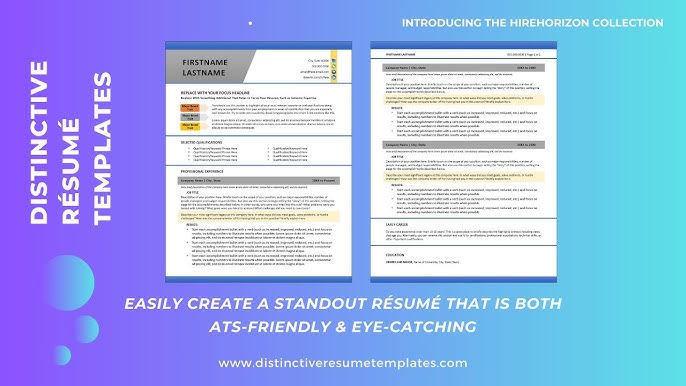
How to Create an ATS-Friendly Resume That Gets You Hired  

hq720

In the prevailing competitive job market, crafting an ATS friendly resume is crucial for getting noticed by employers. Many companies use Applicant Tracking Systems (ATS) to screen and rank resumes before they ever reach a human recruiter. If your resume isn’t optimized for ATS, it could be filtered out, no matter how qualified you are.

This guide will show you how to create a resume that not only passes ATS filters but also stands out to recruiters. We’ll cover essential tips on formatting, keyword optimization, and other best practices to ensure your resume makes it through the initial screening process. With an ATS friendly resume, you’ll be one step closer to landing your dream job. Let’s dive in and get your resume ready to impress both technology and recruiters alike.

Understanding Applicant Tracking Systems

An Applicant Tracking System (ATS) is software used by companies to manage the hiring process. It helps recruiters screen and filter resumes quickly, ensuring they find the best candidates. ATS automates many tasks, saving time and improving efficiency.

There are different types of ATS. Some are cloud-based, offering easy access from anywhere with an internet connection. Others are on-premise, hosted on a company’s own servers. Each type serves the same core purpose but varies in setup and maintenance.

Here’s how an ATS works.

It scans resumes for specific keywords related to the job. Then, it parses the information, breaking it down into categories like education, experience, and skills. Finally, it ranks the resumes based on how well they match the job description.

Around 98.4% of Fortune 500 companies use an ATS, making them a key part of the job market. If your resume isn’t ATS-friendly, it might not even reach a human recruiter. This is why creating an ATS-friendly resume is essential for job seekers today.

Now, let’s dive into the key elements that make a resume stand out in these systems.

Key Elements of an ATS-Friendly Resume

Creating an ATS-friendly resume involves more than just listing your qualifications. You need to ensure your resume is easily readable by both ATS and human recruiters. Here’s how to craft a resume that meets these criteria.

Use a Simple and Consistent Format

An ATS-friendly resume requires a simple, clean format. Choose professional fonts like Arial, Calibri, or Times New Roman. Keep the formatting consistent with uniform font sizes, spacing, and bullet points. Use clear headings and subheadings to structure your resume.

Avoid fancy elements like tables, columns, or graphics, as they can confuse the ATS. Instead, stick to straightforward text. Save your resume as a PDF to preserve the formatting across different devices and platforms.

Keywords are King

ATS scans resumes for keywords that match the job description. Start by carefully reading the job posting and noting the keywords related to skills, qualifications, and experience.

  • Skills Section: Create a dedicated section to list both hard and soft skills, using keywords from the job description.
  • Experience Section: Incorporate relevant keywords into your job descriptions and responsibilities.
  • Education Section: Mention coursework, projects, or academic achievements that align with the job.
  • Summary/Objective: Write a brief statement that includes important keywords while highlighting your key skills and experiences.

Contact Information

Place your contact information at the top of your resume for easy access. Include your full name, phone number, and professional email address. Optionally, you can add your LinkedIn profile URL if it’s well-optimized. Ensure your email is professional, like [email protected].

Experience Section

Focus on your achievements in this section. Use a format that highlights accomplishments, such as “Increased sales by 15%” or “Reduced costs by 10%.” Quantify your successes with data whenever possible. Start each bullet point with a strong action verb like “Managed,” “Led,” or “Developed.” List your experience in reverse chronological order, starting with the most recent role.

Education Section

List your degrees, majors, minors, institutions, and graduation dates. Include relevant coursework, your GPA if it’s above 3.5, and any academic honors or awards. You can also list certifications and licenses relevant to the job.

Summary/Objective Statement

Tailor this section to the specific job you’re applying for. Write a concise summary or objective that highlights your key skills and experiences. Use relevant keywords to ensure it’s ATS-friendly.

By following these steps, you’ll create a resume that appeals to both ATS and human recruiters. Next, let’s explore how to build a strong resume using ATS-friendly tools and best practices.

Creating a Strong ATS-Friendly Resume

Building a strong ATS-friendly resume is essential to get noticed by both software and recruiters. Here’s how you can create a resume that stands out.

1.Use an ATS-Friendly Resume Builder

Consider using online resume builders or templates specifically designed for ATS compatibility. These tools simplify the process and ensure your resume is readable by any ATS.

  • LinkedIn Resume Builder: This tool uses your LinkedIn profile to create a resume quickly.
  • Indeed Resume Builder: Another popular option that offers ATS-friendly templates.
  • Other Tools: Many other online platforms provide templates optimized for ATS. Explore options like Zety or Resume Genius.

2.Proofread Carefully

Before you submit your resume, proofread it thoroughly. Typos, grammatical errors, and inconsistencies can hurt your chances of being selected.

  • Check for spelling errors and ensure the grammar is correct.
  • Read through the resume multiple times to catch any mistakes.
  • Ask a friend or mentor to review your resume. They can offer valuable feedback and catch errors you might have missed.

3.Tailor Your Resume

An ATS-friendly resume should be customized for each job you apply for. Tailoring ensures your resume matches the specific requirements of the job.

  • Adjust Keywords: Use keywords from the job description throughout your resume.
  • Update Skills: Highlight skills that are most relevant to the job.
  • Refine Experience: Adjust your experience section to emphasize duties and achievements that align with the job.

By following these steps, you’ll create a strong resume that increases your chances of landing interviews. Now, let’s explore additional tips to make an impact beyond your resume.

Tips to Become Impactful Beyond Your Resume

Your resume is crucial, but standing out requires more than just an ATS friendly resume. Here are some tips to enhance your professional impact beyond your resume.

Optimize Your LinkedIn Profile

Your LinkedIn profile acts as an online extension of your resume. Optimize it to make a lasting impression.

  • Use Relevant Keywords: Incorporate keywords that match your skills and industry. This makes your profile more searchable by recruiters.
  • Write a Professional Summary: Summarize your experience, skills, and career goals in a clear, professional tone.
  • Connect with Recruiters: Build your network by connecting with recruiters and hiring managers. Engaging with their content can increase your visibility.

2.Build Your Online Presence

A strong online presence can help you showcase your work and make you more approachable to potential employers.

  • Create a Portfolio: Develop an online portfolio or personal website. This is especially useful for creative or technical roles.
  • Engage on Social Media: Be active on platforms relevant to your industry. Keep your posts professional and ensure your privacy settings are in place.

3.Network

Networking can open doors to opportunities you might not find through job boards.

  • Attend Industry Events: Participate in webinars, conferences, and networking events. These are great for meeting professionals in your field.
  • Connect on LinkedIn: After meeting someone, connect with them on LinkedIn. A personalized message can make your connection more memorable.
  • Build Relationships: Engage with your connections by commenting on their posts and sharing relevant content. This helps keep you on their radar.

Enhancing your professional presence beyond your resume can significantly boost your job prospects.

Conclusion

Creating an ATS friendly resume is essential for standing out in today’s job market. By focusing on simple formatting, strategic keyword use, and personalized details, you improve your chances of getting noticed. Remember to optimize your LinkedIn profile and build your online presence to complement your resume. Networking and continuous learning also play a key role in your career growth.

With these strategies, you’re well-equipped to make a strong impression and land your next opportunity.


What Is an Escrow, and How Does It Work?

in escrow.asp final a2b9153ff2714f8590804a80f64868e7

When buying a home, one of the most critical components of the transaction is escrow. This financial arrangement ensures that both the buyer and seller meet their obligations before the sale is finalized. Escrow protects all parties involved by securely holding funds and documents until all conditions are met.

Understanding Escrow in Real Estate

Escrow is a neutral third-party account that temporarily holds money, documents, and other assets related to a real estate transaction. The purpose of escrow is to create a safe and structured process where neither party is at risk of fraud or default. Until all conditions are met—such as inspections, financing, and legal paperwork—the escrow agent ensures that no funds are released prematurely.

For those considering homes for sale in Brooklin, Ontario, understanding escrow is essential to making informed decisions. Buyers can benefit from this process by ensuring their deposit and transaction details are secure while completing necessary contingencies.

How Escrow Works

  1. Opening Escrow: After a buyer and seller agree on a home purchase, an escrow account is opened with a neutral third-party service, typically a title company or attorney.
  2. Depositing Earnest Money: The buyer places a deposit (earnest money) into the escrow account to demonstrate serious intent to purchase the property.
  3. Meeting Contingencies: The sale progresses as conditions such as financing, appraisals, inspections, and legal approvals are completed.
  4. Closing Process: Once all conditions are met, the escrow agent releases the funds to the seller, and ownership of the property is transferred to the buyer.
  5. Finalizing Escrow: The escrow account is officially closed once the transaction is completed, ensuring all parties have fulfilled their responsibilities.

Why Escrow Is Important

  • Protects Both Parties: Escrow prevents fraud by ensuring the buyer’s payment is secure and the seller does not transfer ownership prematurely.
  • Manages Contingencies: Ensures all conditions, such as home inspections and financing, are met before finalizing the sale.
  • Provides a Secure Transaction: Funds and documents are held safely until all requirements are satisfied.
  • Minimizes Financial Risk: Buyers and sellers can proceed with confidence, knowing that funds will only be transferred once all contractual obligations have been fulfilled.

Escrow and Homebuyers

Many first-time buyers are unfamiliar with escrow and may not realize how crucial it is in protecting their investment. Escrow ensures that every aspect of the purchase is handled according to the agreement, avoiding last-minute surprises that could derail the deal. By working with an experienced real estate agent or attorney, buyers can navigate escrow smoothly and avoid unnecessary delays.

Escrow in Mortgage Payments

Beyond the initial home purchase, escrow accounts can also be used to manage mortgage-related expenses. Many lenders require borrowers to maintain an escrow account for property taxes and homeowners insurance. Monthly payments include an escrow portion that covers these costs, ensuring they are paid on time. This system helps homeowners budget for these essential expenses without the risk of missing payments.

Escrow in Real Estate Investments

For investors, escrow plays a key role in managing funds for multiple properties. Whether purchasing a rental home, a commercial building, or a vacation property, escrow protects both parties by ensuring a transparent transfer of ownership. Investors often rely on escrow services to handle complex transactions involving multiple stakeholders, financing arrangements, and legal requirements.

Common Escrow Pitfalls and How to Avoid Them

While escrow is designed to simplify and secure real estate transactions, buyers and sellers should be aware of potential issues that could arise. Some common pitfalls include:

  • Delays in Meeting Contingencies: If financing, inspections, or legal paperwork are not completed on time, escrow may be delayed. Buyers should stay proactive and ensure all requirements are met within the agreed timeline.
  • Miscommunication Between Parties: Clear communication between the buyer, seller, lender, and escrow agent is essential. Any misunderstandings can lead to unnecessary delays or additional costs.
  • Unexpected Costs: Some escrow accounts may require additional fees for document preparation, title insurance, or closing services. Buyers should clarify all fees before entering escrow to avoid surprises.

The Future of Escrow in Real Estate

As technology continues to shape the real estate industry, digital escrow services are becoming more common. Online escrow platforms streamline the process, allowing buyers and sellers to track transactions in real time. Secure electronic document signing, automated updates, and integrated payment processing enhance efficiency while maintaining security.

Final Thoughts

Escrow is a vital component of real estate transactions, providing security and structure for both buyers and sellers. By understanding how escrow works, homebuyers can navigate the process with confidence, ensuring a smooth and protected purchase experience. Escrow plays a key role in safeguarding one of life’s most significant investments. Staying informed and working with experienced professionals can help buyers and sellers avoid common pitfalls and ensure a successful transaction.

What Is Zoning and How It Affects Property Development

8

Zoning is a regulatory tool used by municipalities to control land use and development within specific geographic areas. It establishes rules and guidelines on how land can be used, whether for residential, commercial, industrial, or recreational purposes. For developers, understanding zoning regulations is critical because they directly impact what can and cannot be built on … Read more

Kansas City Decking: Everything You Need to Know for Your Dream Outdoor Space

1 1

Decking has become a central feature in Kansas City homes, offering the perfect outdoor space for relaxation, entertainment, and family gatherings. Whether you’re looking to enhance your backyard with a new deck or upgrade your existing one, this guide will cover everything you need to know about Kansas City decking. From design ideas to material options and maintenance tips, we provide detailed insights to help you make informed decisions.

Choosing the Right Decking Material for Your Kansas City Home

When it comes to decking, choosing the right material is crucial. Kansas City homeowners are fortunate to have a variety of options available, each with its benefits and drawbacks. Below, we explore the most popular decking materials that work well for Kansas City’s climate and aesthetic preferences.

Wood Decking: Traditional Beauty and Durability

Wood decking remains a popular choice for Kansas City homeowners due to its natural beauty and timeless appeal. The two primary types of wood decking are pressure-treated lumber and natural hardwood.

  • Pressure-Treated Lumber: This option is widely available and affordable. It’s treated with chemicals to resist rot, termites, and mildew. Pressure-treated lumber is ideal for homeowners on a budget who want a functional deck without sacrificing durability. However, it requires regular sealing and staining to maintain its appearance.
  • Natural Hardwood Decking: For those seeking premium aesthetics and superior durability, hardwood decking options like teak, mahogany, and ipe are excellent choices. While more expensive, these materials offer longer-lasting performance and require less maintenance than pressure-treated wood.

Composite Decking: Low-Maintenance and Sustainable

If you prefer a deck that is low-maintenance and resistant to the harsh Kansas City weather, composite decking is an excellent alternative. Made from a combination of wood fibers and plastic, composite decking offers the look of wood without the upkeep. It’s highly durable, resistant to fading, splintering, and staining, and is available in a wide range of colors and textures.

Composite decking is also a more sustainable option, as it’s made from recycled materials. Although it comes at a higher upfront cost, its long lifespan and minimal maintenance requirements make it a cost-effective option in the long run.

PVC Decking: Sleek, Weather-Resistant, and Long-Lasting

Another popular choice for Kansas City decking is PVC decking. This material is made entirely from plastic, which makes it completely resistant to rot, mold, and insects. PVC decking is highly durable and comes in a variety of colors and finishes, allowing homeowners to achieve a modern, sleek look.

PVC decking is perfect for homeowners who want a carefree outdoor living space with minimal maintenance. It also offers excellent resistance to fading from the sun’s UV rays and can stand up to the extreme temperature fluctuations in Kansas City.

Designing Your Dream Deck in Kansas City

Once you’ve decided on the ideal decking material, the next step is designing your deck. The design of your deck should complement your home’s architecture while also meeting your specific needs. Below, we provide useful design tips for creating the perfect deck for your Kansas City home.

1.Consider Your Outdoor Space

Before settling on a design, assess the size and layout of your outdoor area. If you have a smaller yard, a multi-level deck or a compact design might be more suitable. Larger properties can accommodate expansive decks with additional features like built-in seating, a fire pit, or an outdoor kitchen.

2.Think About Functionality

Determine how you plan to use your deck. Do you envision hosting large gatherings, enjoying quiet evenings alone, or using it as a space for outdoor dining? Depending on your needs, you can incorporate features like:

  • Built-in seating: Perfect for creating cozy spots without taking up extra space.
  • Pergolas or shade structures: Ideal for providing some relief from the sun, especially during the hotter months.
  • Outdoor kitchens or bars: Great for homeowners who love to entertain.

3.Choose the Right Deck Shape

Decks come in various shapes, from traditional rectangular decks to curved and custom designs. The shape of your deck should enhance the overall aesthetic of your home and fit seamlessly into your yard. For instance, a wraparound deck can provide access to multiple areas of your home, while a freestanding deck might be perfect for a smaller yard.

4.Add Lighting to Enhance the Ambiance

Lighting can elevate your deck’s functionality and atmosphere. Consider adding built-in lighting on steps, railings, or posts. String lights, lanterns, or pendant lights can create a warm and inviting ambiance for evening gatherings.

Maintenance Tips for Keeping Your Kansas City Deck in Top Shape

Maintaining your deck is essential for ensuring its longevity and keeping it looking great. Each decking material has its maintenance requirements, so it’s important to follow the specific guidelines for your chosen material.

Wood Decking Maintenance

Wood decks need regular attention to preserve their natural beauty and extend their lifespan. To maintain a wood deck:

  • Seal and stain regularly: Pressure-treated wood should be sealed every one to two years, while hardwood decking needs a protective coat every three to four years.
  • Clean thoroughly: Use a gentle cleaner to remove dirt, algae, and mildew. Avoid harsh chemicals that can damage the wood.
  • Inspect for damage: Regularly check for splinters, loose boards, or signs of rot and replace any damaged sections promptly.

Composite and PVC Decking Maintenance

Composite and PVC decking are much easier to maintain than wood. Here are a few tips for caring for these materials:

  • Clean with soap and water: Simply wash the deck with soapy water to remove dirt and stains.
  • Check for scratches: While these materials are resistant to most damage, scratches can occur. Use a touch-up pen or repair kit if needed.
  • Avoid harsh cleaners: These decking materials should be cleaned with non-abrasive cleaners to prevent surface damage.

Winter Care for Kansas City Decks

Kansas City experiences cold winters with snow and ice, so winterizing your deck is essential for preserving its integrity. Remove snow and ice carefully to avoid damaging the surface. Use a plastic shovel or a broom to clear off snow, and avoid using salt, which can damage wood decks.

1.2

FAQs about Kansas City Decking

How long will my deck last in Kansas City?

The lifespan of your deck depends on the material used. Pressure-treated wood decks typically last around 10 to 15 years, while hardwood and composite decks can last 25 years or more with proper maintenance.

Do I need a permit to build a deck in Kansas City?

In most cases, yes. Building a deck in Kansas City requires a permit, especially if it’s attached to your home or exceeds a certain size. It’s always a good idea to check with your local building authority before starting your project.

How much does decking in Kansas City cost?

The cost of decking depends on several factors, including the size of the deck, the materials chosen, and any additional features you want to include. On average, homeowners in Kansas City can expect to pay between $4,000 and $10,000 for a new deck.

Can I build my deck in Kansas City?

Yes, you can build your deck in Kansas City, but it’s important to ensure that you follow local building codes and obtain the necessary permits. If you’re unsure about the process, hiring a professional contractor can help ensure your deck is built safely and correctly.

Conclusion

Building a deck in Kansas City is an excellent way to enhance your outdoor living space and create a place for relaxation and entertainment. By carefully considering your decking material, design options, and maintenance needs, you can ensure your deck serves you well for years to come. Whether you prefer the classic look of wood, the low-maintenance benefits of composite, or the sleek appeal of PVC, there’s a decking solution that suits your style and budget. With proper care, your Kansas City deck will remain a beautiful and functional part of your home, providing you with endless enjoyment.